
Home Garden & Allotment
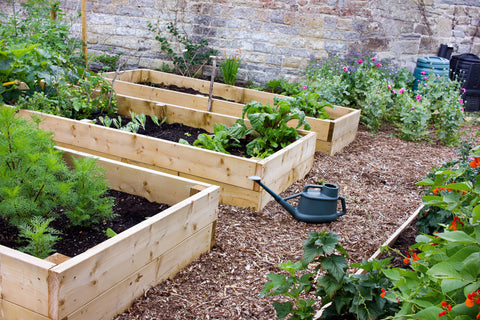
Have more time to enjoy your garden or allotment and keep the soil moist when you can't be there to water.
A lot of black plastic is used at allotments and understandably so because it's cheap and effective. However, the downsides are that it does break down, leaving microplastics in the soil. The plastic clear up for a large scale growing operation is also problematic. Plastic can't regulate temperature because it isn't breathable, so roots can be "cooked" when overheated.
Paper mulch is a natural choice for home and urban gardeners. It's heavyweight thickness stops weeds all season long but also allows air and water to permeate. We actually like weeds, they can be good for the soil but when there are too many, weeds can steal essential nutrients from your plants. Paper mulch is 100% opaque while offering superior porosity to water, air, and the nutrients your plants need, meaning weeds can't grow but your plants and produce can thrive.
Paper mulch is easy to use and visually pleasing, the earthy colours disappear into your garden, especially as most growers cover it with top soil. It is available in a few dimensions to fit the needs of your garden or allotment, you don't need much, mainly a pair of scissors and ideally, a dibber.
Application is simple and easy. The paper mulch gives you a great return on just a bit of work before the growing season begins, especially as that all important establishment phase.
Black plastic is not a nice thing to use on the soil for growing food. Paper mulch is made from renewable resources, uses no crude oils and eliminates any need for chemicals or herbicides. It's the perfect environmentally friendly alternative. What’s more, the porous material allows water, nutrients and air to pass through easily.
It's satisfying to weed less and grow more, watching your garden or allotment thrive, while reducing the amount of work. There is an alternative to growing without pesticides and plastics.
And unlike black plastic, you don’t have to remove and dispose of it at the end of the season. Paper mulch decomposes naturally over the course of the growing season, adding beneficial organic material to the soil, you can just simply leave it in the soil to do its thing. Many growers are converting to the "no dig" method and the paper works perfectly for this.
Most home gardeners and allotment folk we know use the paper mulches: Natural Paper Mulch, Geomulch and Ecomulch for growing vegetables and flowers because the paper mulches are seasonal. They are designed to completely biodegrade at the end of the growing season.
Small Gardens and beds
The smallest roll we provide is 1.2m x 15m of Ecomulch and the other paper mulches are available in lengths of 30m, 76m and 152m. You can always double up on a layer if you have surplus and if needed.
Creating Raised Beds
If you're creating a raised bed for the first time, you can lay the paper mulch at the bottom to give good protection and a weed free foundation. If the area that you're placing your beds has very invasive weeds, or you want it to last longer, the Heavyweight Cornstarch is also very popular for establishing raised beds.
Growing Onions and Garlic
Pre-punched rolls have been designed to help with planting or transplanting multiple rows. This also helps develop a satisfyingly neat grid system, perfect for growing onions, garlic and alliums.
Creating Paths
The Heavyweight cornstarch is used more for landscaping purposes, so if you're working on creating or tidying up your allotment or garden paths, this is the stuff to use. Once covered with wood chip, you can happily walk on it. Please note, for best results it's always ideal if you can try to uproot and cut back as many weeds as possible before laying it down. Once you've got to a fresh layer of weed free soil, this mulch is more like a fabric, so can be pinned down.
See our How To Tips for more information.
-
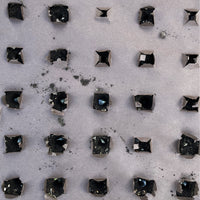 Pre Cut "X" Heavyweight Biodegradable Paper Mulch | 122cm x 30.5m
£98.00
Pre Cut "X" Heavyweight Biodegradable Paper Mulch | 122cm x 30.5m
£98.00
-
Pre Cut "X" Heavyweight Biodegradable Paper Mulch | 122cm x 76m
£112.00
-
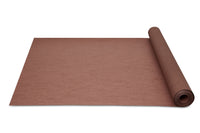 Heavyweight Paper | Natural | Biodegradable Mulch | 122cm x 30.5m
£85.00
Heavyweight Paper | Natural | Biodegradable Mulch | 122cm x 30.5m
£85.00
-
Heavyweight Paper | Natural | Biodegradable Mulch | 152cm x 30.5m
£102.00
-
 Heavyweight Paper | Natural Biodegradable Mulch | 122cm x 76m
£135.00
Heavyweight Paper | Natural Biodegradable Mulch | 122cm x 76m
£135.00
-
 Organic Biodegradable Paper EcoMulch | 122cm x 15m
£48.00
Organic Biodegradable Paper EcoMulch | 122cm x 15m
£48.00
-
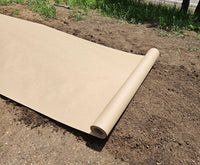 Organic Biodegradable Paper EcoMulch | 122cm x 30.5m
£85.00
Organic Biodegradable Paper EcoMulch | 122cm x 30.5m
£85.00
-
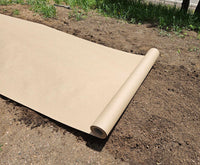 Organic Biodegradable Paper EcoMulch | 122cm x 76m
£149.00
Organic Biodegradable Paper EcoMulch | 122cm x 76m
£149.00
-
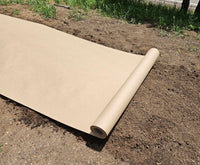 Organic Biodegradable Paper EcoMulch | 122cm x 152m
£145.00
Organic Biodegradable Paper EcoMulch | 122cm x 152m
£145.00
-
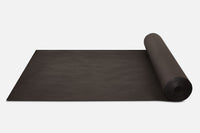 GeoMulch | Biodegradable Paper Mulch | 91cm x 76m
£115.00
GeoMulch | Biodegradable Paper Mulch | 91cm x 76m
£115.00
-
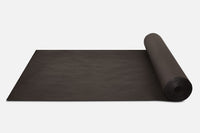 GeoMulch | Biodegradable Paper Mulch | 91cm x 152m
£142.00
GeoMulch | Biodegradable Paper Mulch | 91cm x 152m
£142.00
-
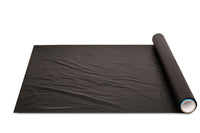 Cornstarch_Lightweight | Biodegradable Mulch Film | 120cm x 200m
£129.00
Cornstarch_Lightweight | Biodegradable Mulch Film | 120cm x 200m
£129.00
-
 PathGuard | Sturdy Path Protection | Biodegradable | 96cm x 15 metre
£75.00
PathGuard | Sturdy Path Protection | Biodegradable | 96cm x 15 metre
£75.00

